Hyundai Bayon Launched in India at Rs 10 Lakh, Gets 115 PS Petrol Engine and Level-2 ADAS

Hyundai has launched the 2026 Bayon in India at an introductory price of Rs 10 lakh (ex-showroom). The new crossover sits between the Venue and Creta in Hyundai’s lineup and targets buyers looking for a feature-packed car with distinctive styling. It gets a 1.5-litre petrol engine, manual and automatic transmission options, a panoramic sunroof, and Level-2 ADAS.
The Hyundai Bayon is available in seven variants: HX2, HX3, HX3 Plus, HX5, HX6, HX8, and HX10. Prices range from Rs 10 lakh for the base HX2 variant to Rs 18 lakh for the top-spec HX10 automatic variant. Bookings are open through Hyundai dealerships and the company’s official website for an initial amount of Rs 11,000.
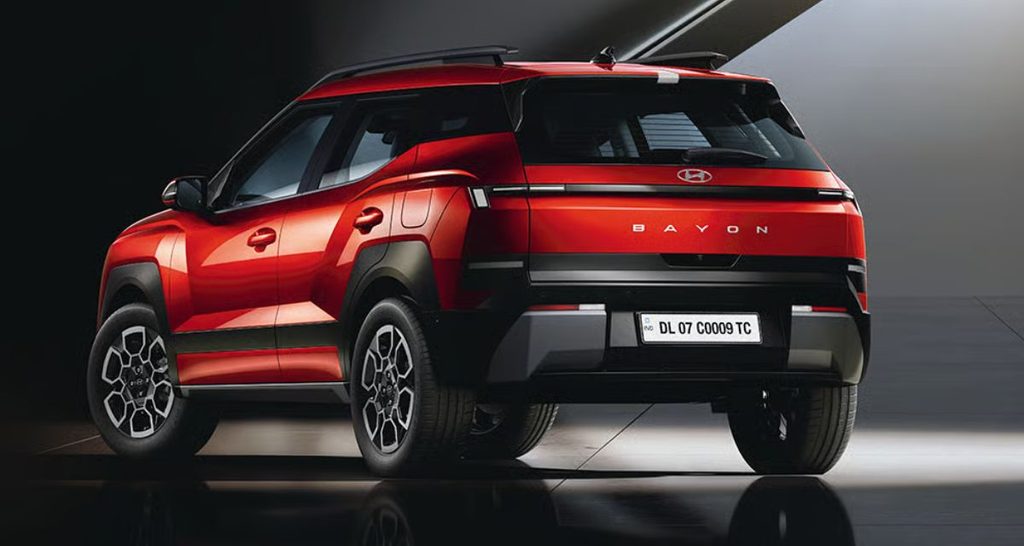
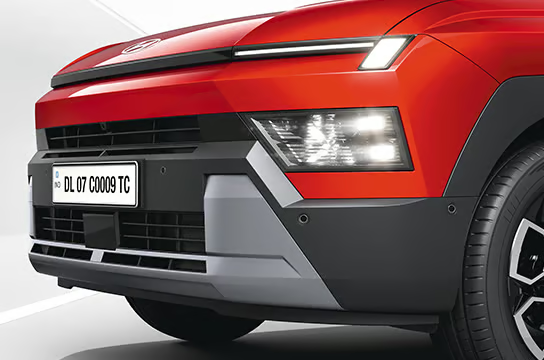
The Bayon has a different design from the more conventional Venue and Creta. At the front, it gets inverted L-shaped LED daytime running lights connected by a gloss-black strip. The LED headlamps sit lower on the bumper, while a silver skid plate adds contrast. The side profile features 17-inch alloy wheels, thick body cladding, roof rails, and muscular wheel arches. At the rear, the LED tail lamps follow a similar inverted L-shaped design, with Bayon lettering on the tailgate.
The crossover measures 4,245 mm in length, 1,810 mm in width, and 1,605 mm in height. It has a wheelbase of 2,600 mm. Hyundai is offering it in six monotone colour options: Atlas White, Titanium Black, Fiery Red, Classy Blue, Golden Bronze, and Ecotonic Grey. Atlas White and Fiery Red are also available with a black roof, while Classy Blue and Ecotonic Grey get matte finish options.
Inside, the Bayon gets a dashboard layout inspired by the global-spec i20. It features a dual-screen setup with a 12.3-inch touchscreen infotainment system and a 12.3-inch digital instrument cluster. Higher variants get a dual-tone black and white cabin, while sportier versions offer an all-black interior with red stitching.
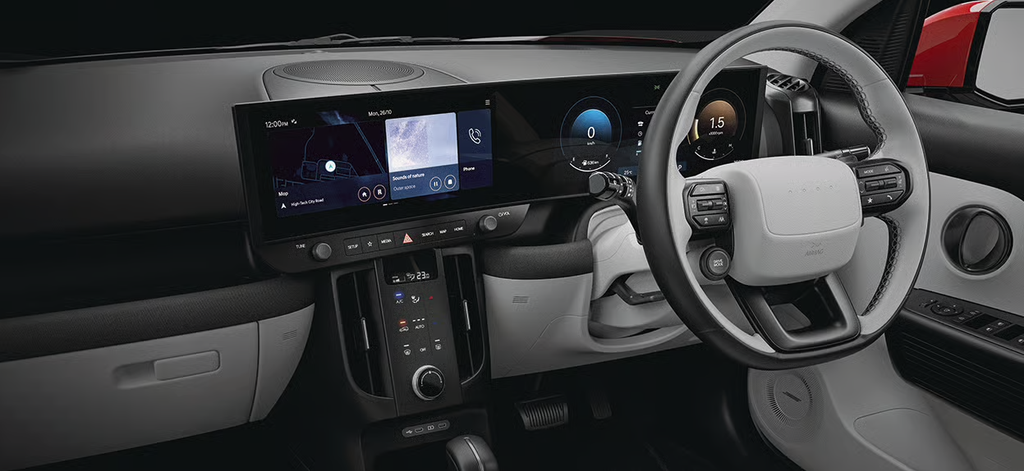
The feature list includes automatic climate control, a panoramic sunroof, an eight-way power-adjustable driver’s seat, ventilated front seats, wireless phone charging, ambient lighting, drive modes, and an auto-dimming IRVM. The infotainment system supports wireless Android Auto and Apple CarPlay. It also supports generative AI-based features and voice commands in 23 regional languages.
Rear passengers get AC vents, USB Type-C charging ports, and a centre armrest with cupholders. Hyundai claims the Bayon offers 505 litres of boot space with the rear seats in use. The 60:40 split-folding rear seats allow owners to expand the cargo area when needed.
Safety features include six airbags, Level-2 ADAS, a 360-degree camera, all-wheel disc brakes, a tyre pressure monitoring system, electronic stability control, hill-hold assist, and an electronic parking brake. The car also gets front, side, and rear parking sensors.
The Hyundai Bayon uses a 1.5-litre naturally aspirated petrol engine that also powers the Creta and Verna. It produces 115 PS of power and 144 Nm of torque. Buyers can choose between a six-speed manual gearbox and a CVT automatic transmission. Power is sent to the front wheels, and Hyundai claims a fuel efficiency of 18.6 kmpl for the CVT version.
Hyundai has also confirmed that it will introduce a factory-fitted CNG kit for the Bayon in January 2027. The addition should give buyers another option to reduce running costs, although the company has not yet announced the CNG variant’s price.
More Related Articles

New 2025 Hyundai Venue N Line Launched At Rs 10.55 lakh

2025 Hyundai Venue Launched Starting At Rs 7.90 lakh

Deepanker Verma
Deeepanker Verma is a tech blogger.